Insurance Claim Help
General water damage insurance claim guidance.
Water damage insurance claim basics
Insurance coverage often depends on why the water damage happened, how quickly it was discovered, and what the policy says about that cause of loss. Sudden accidental water damage can be treated differently from long-term seepage, maintenance issues, sewage backup, or external flooding.
Document the loss early
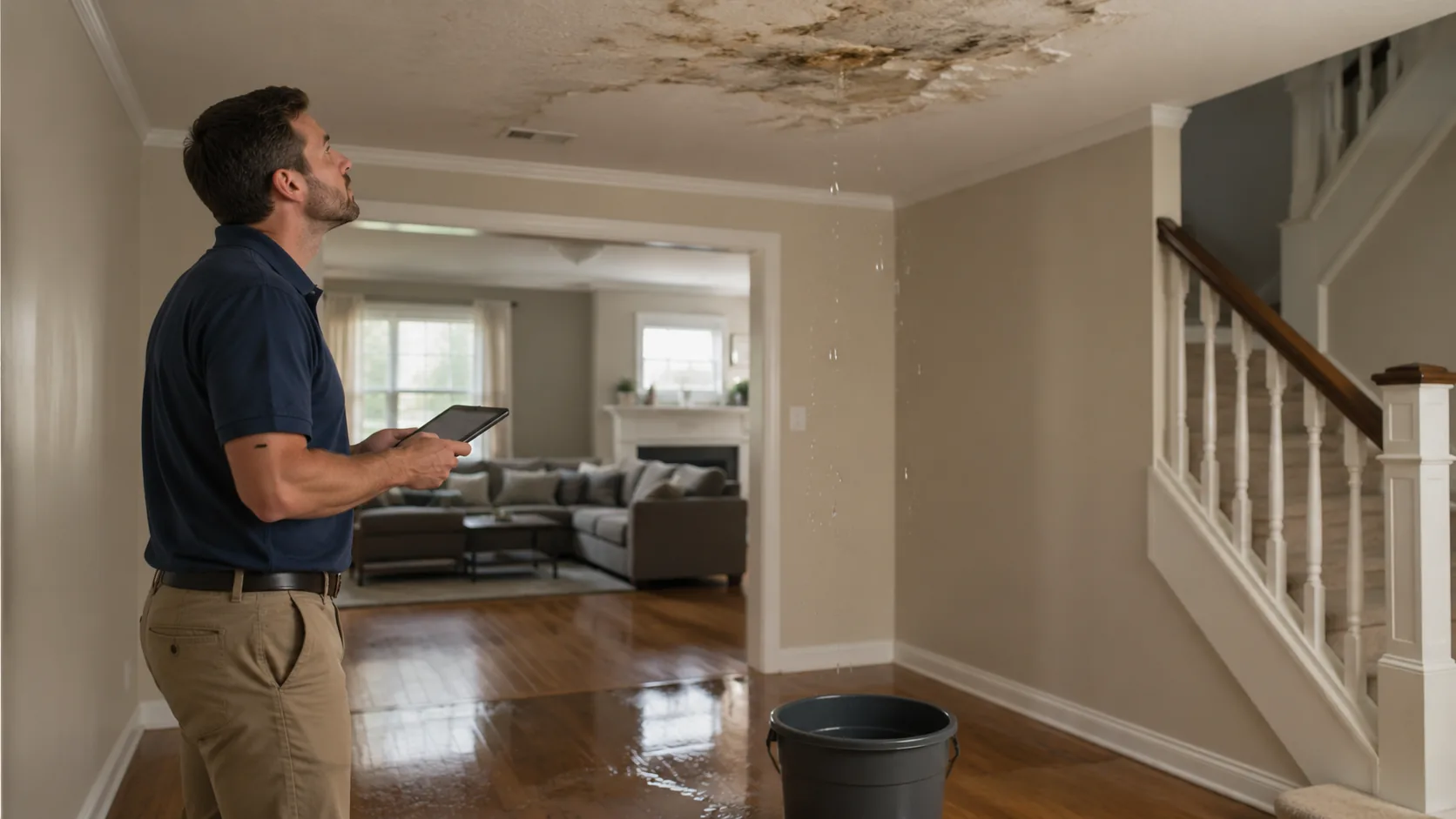
Take clear photos and videos before moving damaged materials when it is safe to do so. Note when you first discovered the problem, what you believe caused it, and what steps were taken to limit additional damage.
- Photograph affected rooms and materials
- Keep receipts for emergency expenses
- Write down claim and contact numbers
- Save estimates and invoices
Review the policy language
Pay attention to the deductible, exclusions, limits, duties after a loss, and any special provisions for flood, mold, or water backup. This page is general information and is not insurance or legal advice.
Mitigation and repairs can be different stages
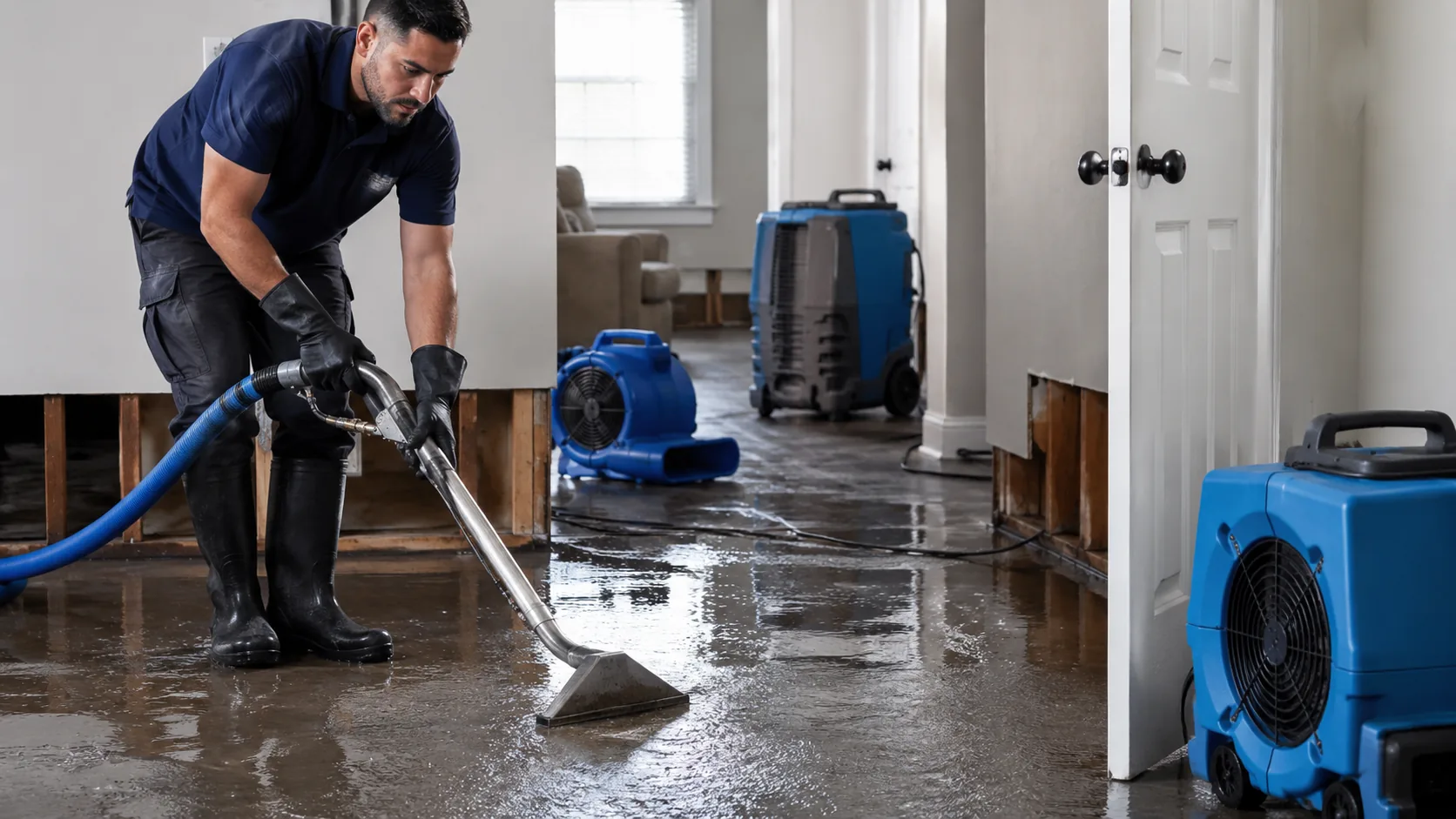
Emergency extraction and drying may be handled separately from reconstruction or replacement. Keep records for each stage so you can understand what work was performed and why.
Questions to ask when reviewing a claim
What caused the water?
The source can affect how the policy responds.
What is the deductible?
Compare the deductible with the likely scope of loss.
What documentation is required?
Ask which photos, estimates, receipts, or inventories are needed.
Need service while you organize the claim?
If you are ready to request water damage assistance, provide the location, source, timing, and contact details.
Get Water Damage Help
Share the property location and water damage details.
Water Damage Insurance FAQ
Does homeowners insurance cover every type of water damage?
No. Coverage depends on the cause of loss, policy wording, exclusions, deductibles, and whether separate flood or water-backup coverage applies.
Should I photograph damage before cleanup?
When it is safe, photos and videos can help document the condition before materials or belongings are moved.
What records should I keep?
Keep claim numbers, dates, photos, estimates, invoices, receipts, communications, and notes about the source and affected areas.
Is flood damage the same as a plumbing leak for insurance purposes?
Often not. Water entering from outside flooding may be treated differently from sudden accidental water released by indoor plumbing.
Can emergency mitigation happen before a final coverage decision?
Policies and circumstances vary. Reasonable steps to protect the property may be important, but you should review policy duties and communicate with the insurer.
Are drying and reconstruction the same claim stage?
They may be documented separately. Extraction and drying address immediate moisture, while later repairs can involve rebuilding or replacing damaged materials.
Does this page provide insurance advice?
No. It provides general consumer information. For policy-specific guidance, review your policy and speak with the insurer or an appropriate licensed professional.
How can I request water damage service while handling a claim?
Use the request form or call and provide the property location, water source, timing, and contact details.