Fast. Reliable. Affordable.
Water Damage Help.
Request help for water extraction, drying, flood cleanup, burst pipes, leaks, and other water damage problems.
Get Water Damage Help
Tell us what happened and where the property is located.
Water Damage Services
Choose the problem that best matches what is happening at your property.
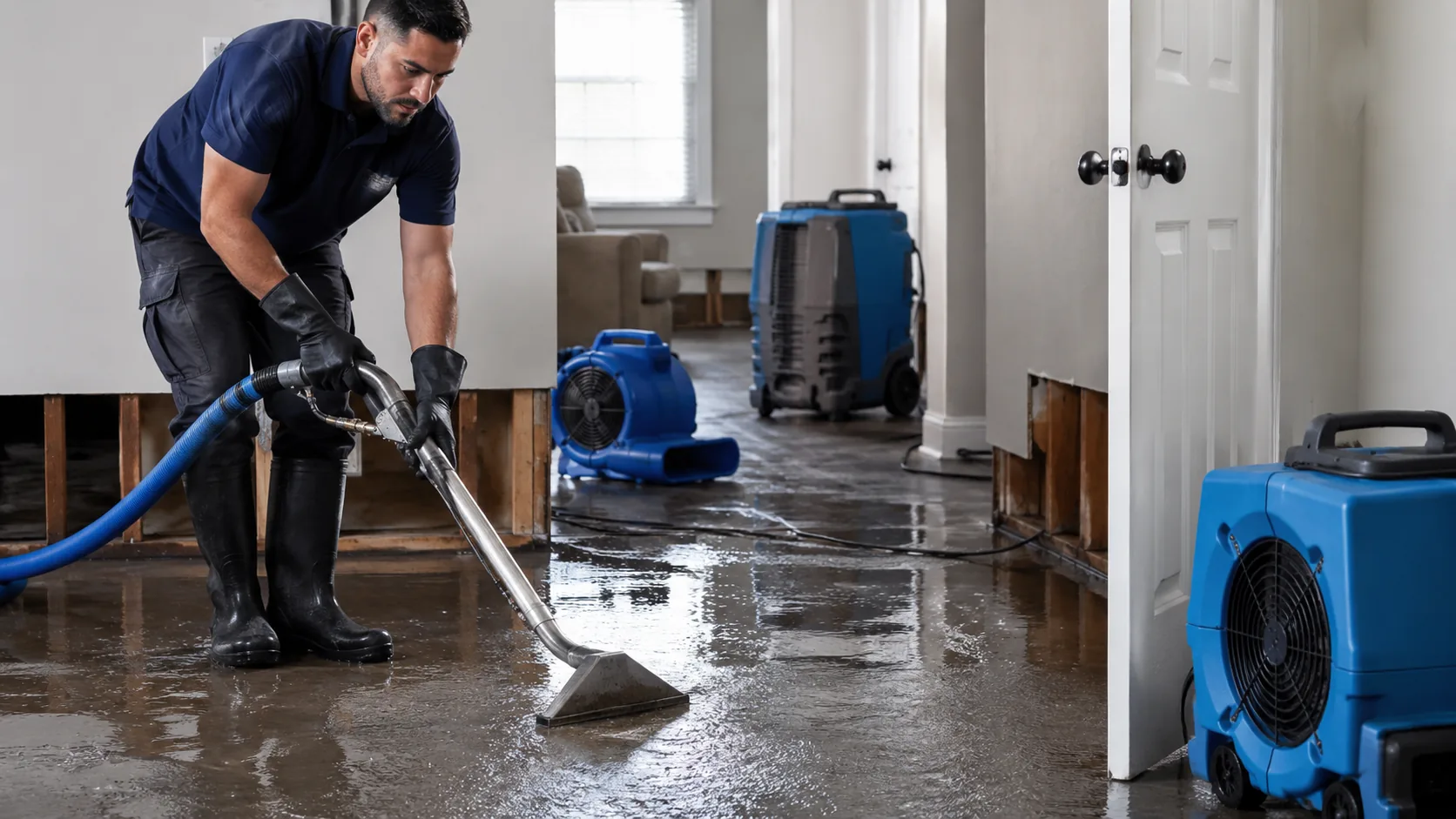
Why prompt water removal and drying matter
Water can move beneath flooring, behind baseboards, into drywall, cabinets, insulation, and nearby rooms. Removing visible water is only one part of the process because building materials may stay damp after the surface looks dry.
Where water damage commonly appears
Different rooms and materials can show different warning signs.
Basements & Lower Levels
Standing water, seepage, foundation-area moisture, and wet stored belongings.
Kitchens & Bathrooms
Supply-line leaks, overflowing fixtures, appliance failures, and cabinet damage.
Walls & Ceilings
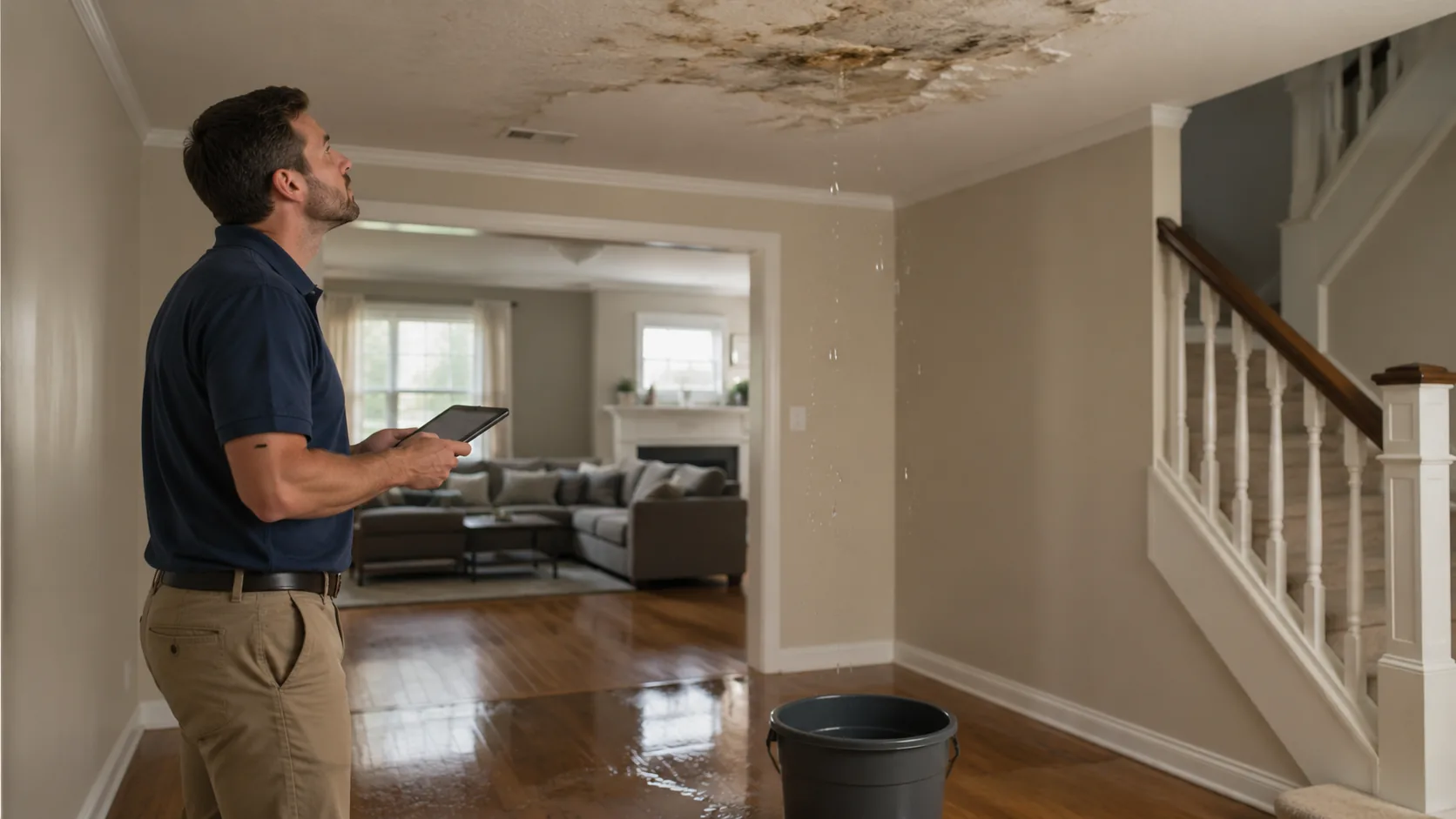
Stains, bubbling paint, sagging drywall, and moisture from plumbing or roof leaks.
How water damage often starts
Knowing the likely source can make it easier to explain the problem and decide what needs attention first.
Plumbing Leaks
Supply lines, drains, toilets, faucets, and hidden pipes can leak slowly or fail suddenly.
Appliances & Water Heaters
Washing machines, dishwashers, refrigerators, and water heaters can release significant water.
Roof & Storm Entry
Wind-driven rain, roof damage, clogged drainage, and exterior openings can allow water indoors.
Flooding & Backups
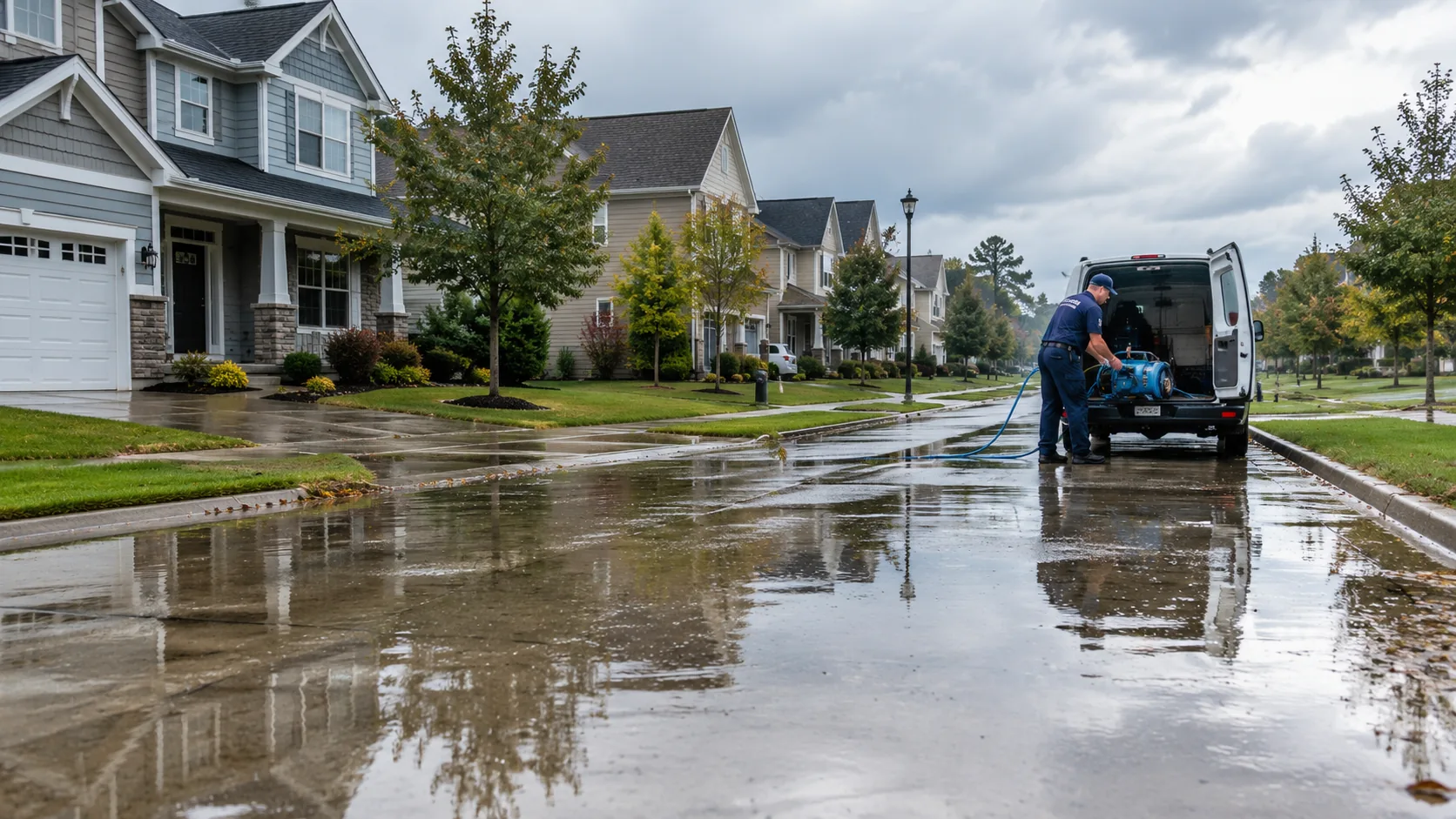
Heavy rain, drainage problems, groundwater, and sewer backups can affect lower levels quickly.
What water can affect inside a property
The visible wet spot may be smaller than the area that actually needs drying or inspection.
What happens after you request help
Describe the problem
Share the water source, timing, and urgency.
Add the location
Provide the ZIP code and state.
Provide contact details
Leave the best phone number and email.
Get the next step
Your request can be reviewed for available service options.
Simple steps that may reduce additional damage
If it is safe, reduce the water source, move lightweight belongings, and document visible damage. Avoid electrical hazards, contaminated water, unstable ceilings, and unsafe structural areas.
- Turn off a safe, accessible water source
- Move valuables away from wet areas
- Take photos and videos for your records
- Keep people and pets away from unsafe areas
Two common questions after water damage
Repair costs and insurance coverage depend on the cause, severity, and materials involved.
Water Damage Cost Guide
See the main factors that can affect extraction, drying, cleanup, and repair pricing.
Insurance Claim Help
Learn what to document and which policy details may matter after a loss.
Water Damage FAQ
Find quick answers about emergencies, hidden moisture, cleanup, and service requests.
Water damage help across U.S. service areas
Browse state pages and available local guides to find information closer to your property. If you do not see your city listed, you can still submit a request using your ZIP code and state.
Water Damage Questions
What should I do first after finding water damage?
If it is safe, stop or reduce the water source, keep people away from electrical hazards or contaminated water, move easy-to-lift valuables, and document visible damage.
When is water damage an emergency?
Active flooding, burst pipes, sewage backups, ceiling leaks near electrical fixtures, rapidly spreading water, or water affecting essential living areas may require urgent attention.
Can water be hidden behind walls or under floors?
Yes. Moisture can travel beneath flooring, behind baseboards, into drywall cavities, insulation, cabinets, and other materials even after visible water is removed.
Can wet materials always be saved?
Not always. Whether a material can be dried and retained depends on the material, contamination, how long it remained wet, and the amount of physical damage.
Will homeowners insurance cover water damage?
Coverage depends on the cause of the loss, policy terms, exclusions, deductibles, and whether the event is considered sudden, accidental, flood-related, or maintenance-related.
How is water damage repair cost determined?
Cost can depend on the amount and type of water, affected square footage, materials involved, drying requirements, demolition, cleaning, and any reconstruction that follows.
Should I take photos before cleanup starts?
When it is safe, photos and videos can help document the condition of affected rooms, belongings, and materials before they are moved or removed.
How can I request water damage help?
Use the request form on this page or call the phone number shown on the website and provide the location, type of water problem, and best contact information.